
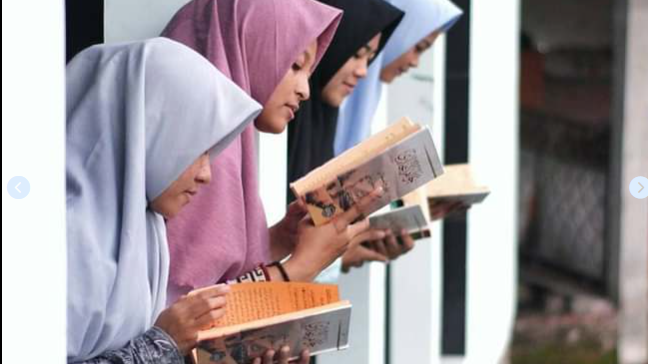
Moreover, acquiring knowledge from ulama traditionally involves face-to-face learning in pesantren through methods like sorogan and bandongan, using yellow books like Sullam al-Taufiq, Ummul Barahin, Shahih Al-Bukhari, among others. This approach ensures the transmission of knowledge across generations.
Reviewing the period from the 3rd to the 15th century Hijri, obtaining knowledge was arduous. Scholars traveled long distances on foot to seek knowledge, a stark contrast to today’s digital age where information is readily accessible via the Internet. Previously, acquiring yellow books was expensive, costing millions of rupiah for texts like Tafsir Manar and Tafsir Maraghi. Now, these can be downloaded online for a fraction of the cost.

This digital convenience brings both benefits and drawbacks. Learning from e-books or PDFs can strain the eyes but is cost-effective, while traditional books are easier to absorb but are more expensive. For example, Syarah Bukhari costs around Rp 4.5 million.
The digital era poses unique challenges, as the abundance of accessible yellow books necessitates careful filtering to ensure reliable content. This is our responsibility to minimize the erosion of pesantren values by reaffirming the traditional requirement for students to master the yellow book. Our duty as educated individuals is to preserve the yellow book, maintaining the spirit of pesantren. The yellow book encompasses not only religious laws but also fundamental knowledge in various fields such as basic laws, agriculture, medicine, philosophy, algebra, physics, and architecture, all products of the Islamic golden age.