
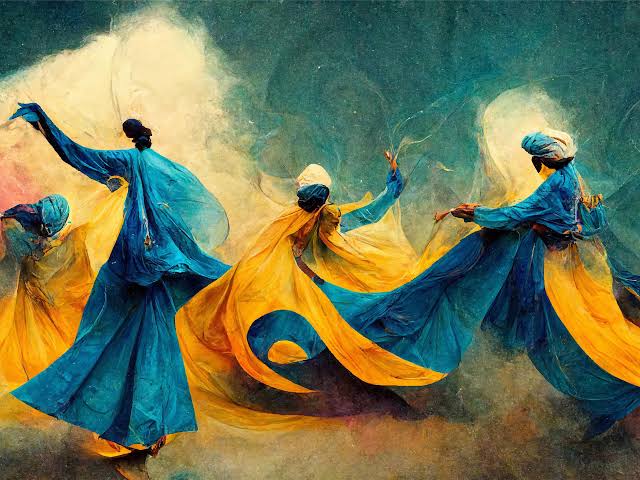
The recognition of Sufi figures is often rigid, predominantly highlighting heterosexual identities. Stories of Sufi figures with diverse sexual identities are marginalized, reinforcing patriarchal tendencies within Sufism (Syaikh, 2002: 12).
Amar Alfikar (2023) notes that the author of the famous poem ‘al-I`tirof,’ Abu Nawas, was a homosexual. Alfikar also suggests that various Islamic spiritual ceremonies involve individuals from gender minorities. This indicates that Islam’s love and compassion extend beyond specific genders, and the religion should offer a safe space for all, including gender minorities.

In Islamabad, Pakistan, there is a unique Sufi tradition involving gender minorities in its ceremonies. The shrine of Bari Imam (d. 1705), Syed Shah Abdul Latif Kazmi Mashhadi, a 17th-century Sufi from Punjab, hosts annual commemorations attended by a diverse congregation, including third-gender individuals. The ceremony prominently features gender minorities expressing androgynous, crossdressing, and transgender identities in prayer.