
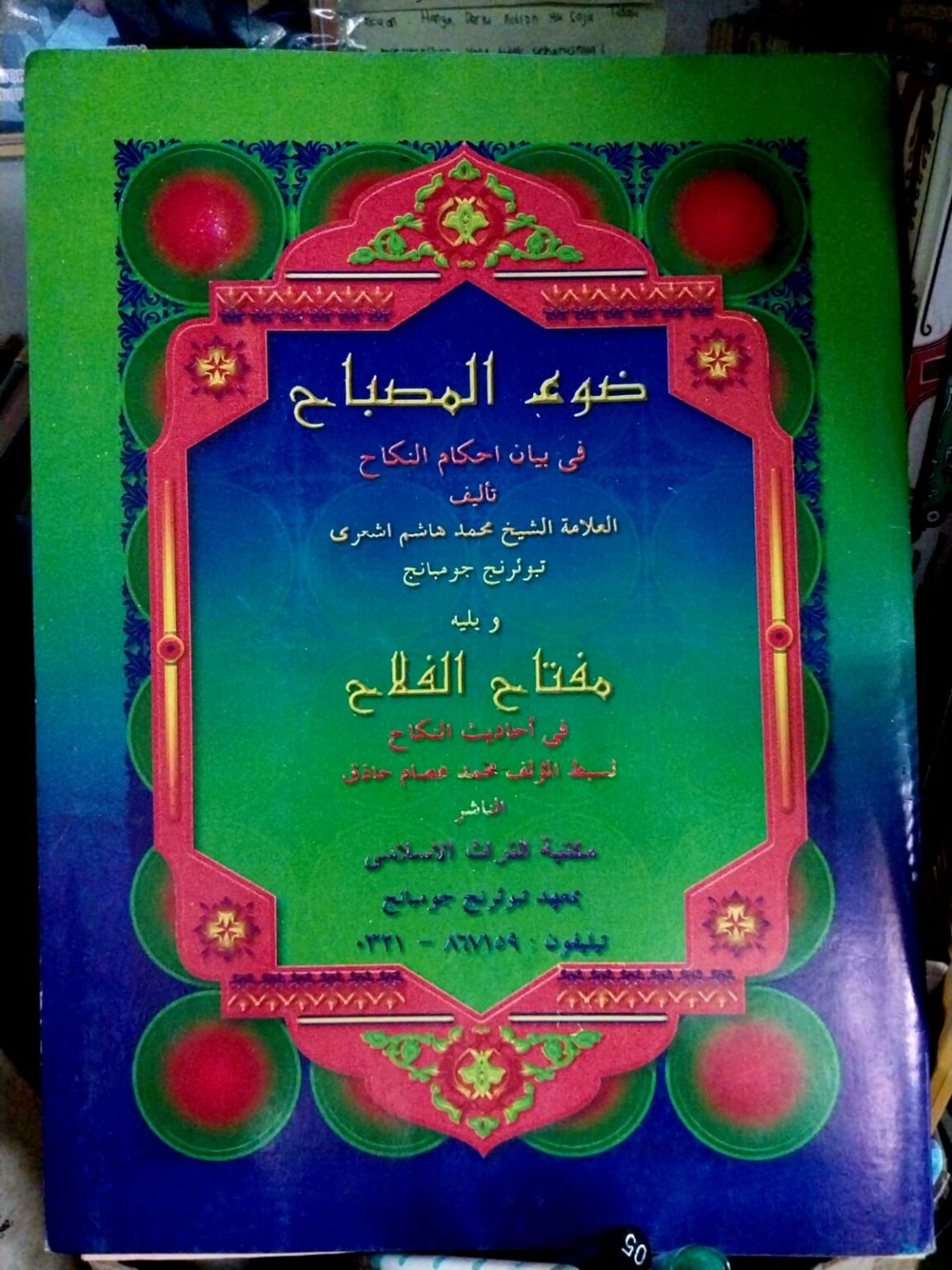
To find a suitable life partner, the book outlines clear criteria and selection guidelines. It encourages individuals to observe potential partners directly rather than relying on intermediaries. Beyond physical appearance, character and temperament are emphasized. Marriage, after all, is not merely about fulfilling physical needs, it carries deeper meaning. The presence of righteous individuals during the marriage contract is also encouraged, with the hope of attaining blessings. Additional recommended practices for the couple and their families are also discussed.
The second chapter delves into the pillars of marriage. The five essential elements, shighat (the contract statement), the bride, the groom, the guardian, and witnesses are explained in detail. Shighat is understood as the formal exchange between the guardian and the groom, and it must meet specific criteria to be valid. The other pillars are accompanied by clear conditions to ensure the marriage fulfills its legal requirements.
In the closing section, the book discusses the rights of the wife and the husband. Marriage is not simply about living together; it also demands mutual comfort and consideration. Interestingly, the rights of the wife receive more detailed attention than those of the husband. This likely reflects a deeper concern for understanding women, their needs, their complexities grounded in classical scholarship and divine guidance that remains relevant across time. Given that women often carry significant responsibilities in serving their husbands, the clarification of their rights becomes essential, ensuring men are aware and mindful of these nuances.
Towards the end of the book, KH Hasyim Asy’ari outlines three types of women: those who display themselves publicly during the day, those who cast seductive glances at men, and those who raise their voices so others may hear them.